The Labyrinth of FOVEA
The Foggiali Family

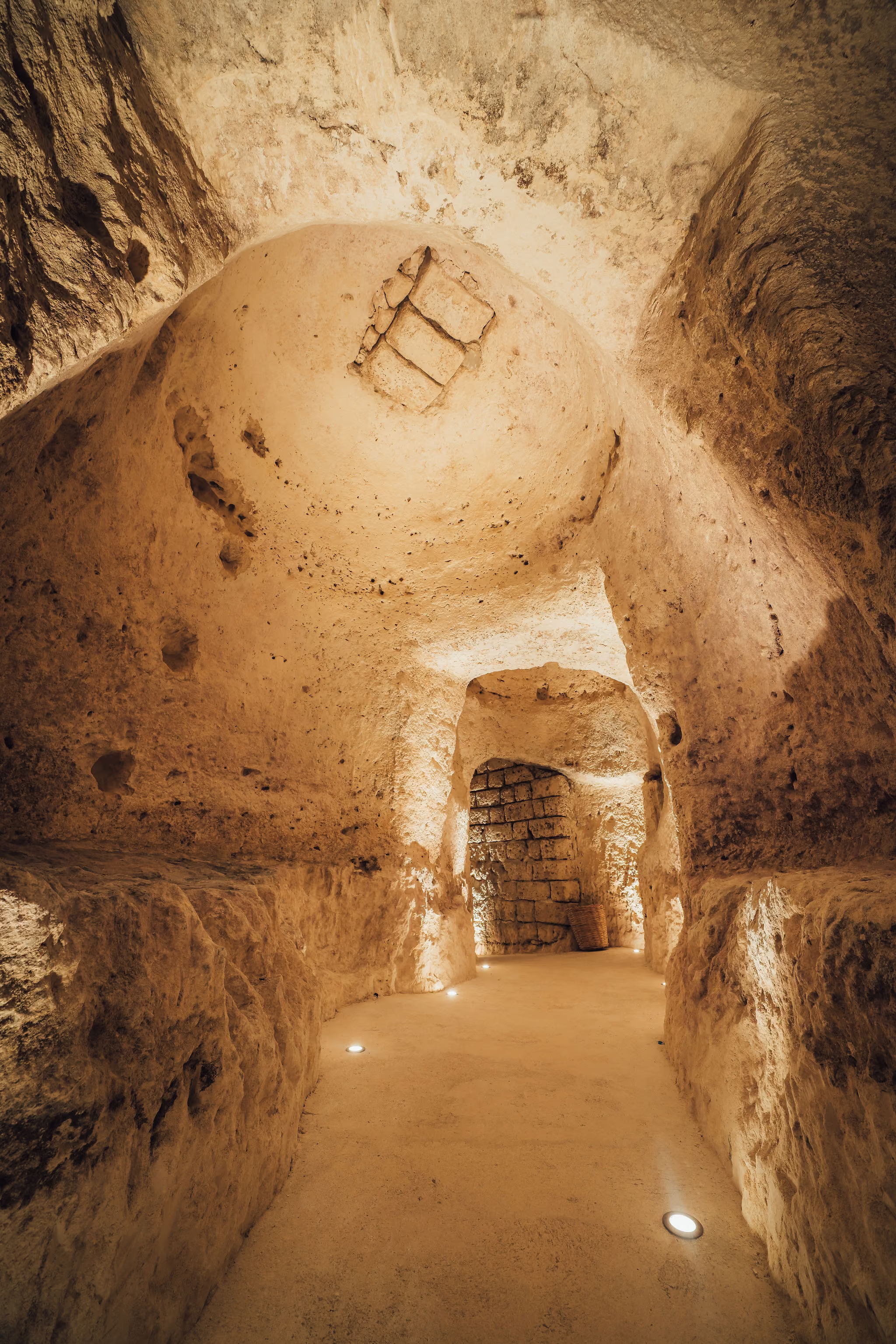
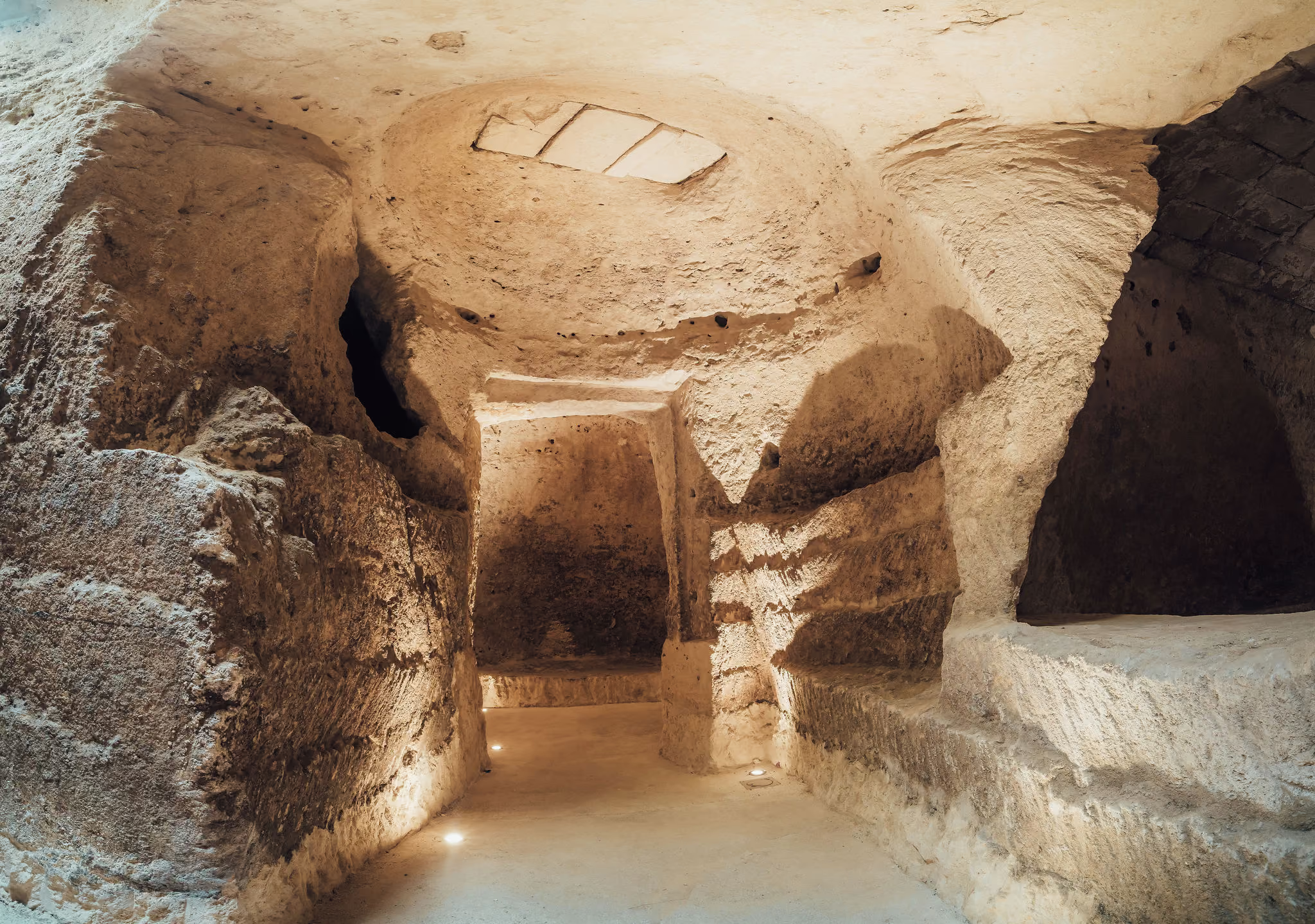
FOVEA is a complex system of excavated structures that chronicle the millennia-long evolution of the underground culture of the Sassi di Matera. FOVEA lies on the plateau known as San Rocco, a flat tuff outcrop on the edge of the Sasso Barisano—a fortified outpost of the medieval citadel facing Apulia, which was of crucial importance for trade routes.
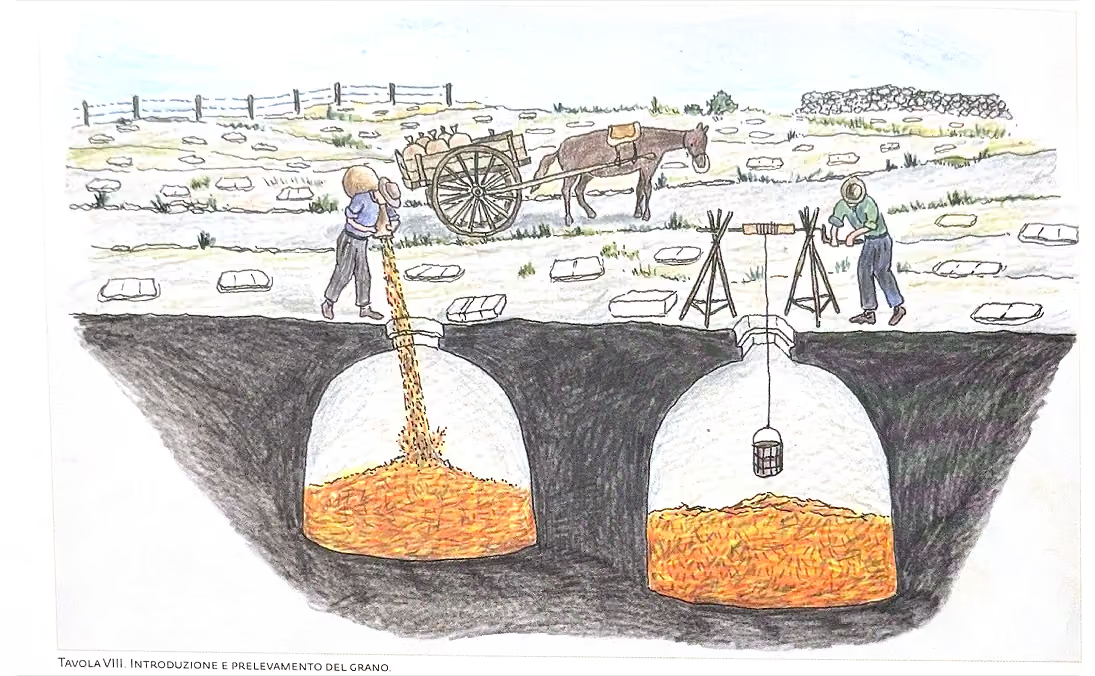
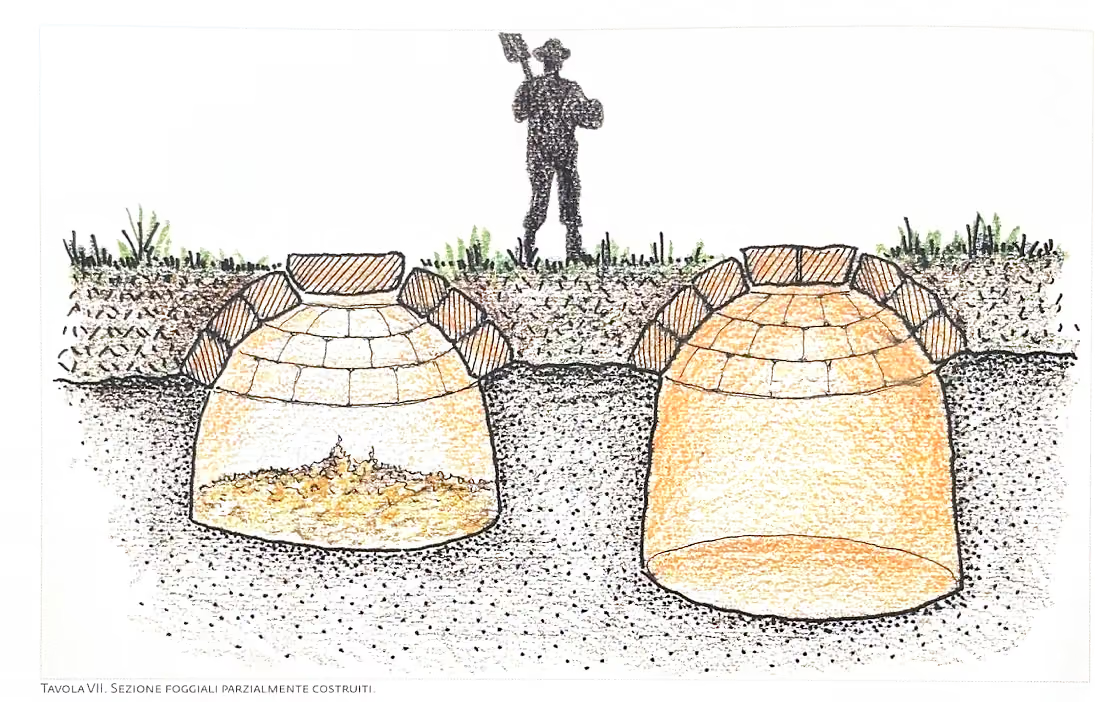
The surface of the plateau is marked by countless openings leading to the grain pits, known as “fovee”: granaries where the harvest from the Matera countryside was stored. The Matera countryside was one of the most important grain-producing regions in Southern Italy, renowned for its wheat, flour, and the famous Matera bread. There are more than 800 grain pits spread over 15,000 square meters. The San Rocco plateau was the granary of medieval Matera.
by Enzo Viti and Teresa Lupo
“The site’s strategic importance stemmed from its location at the entrance to the road leading from Apulia, which was therefore the busiest route for commercial purposes; it is no coincidence that the site contained a considerable number of pits, presumably used for storing foodstuffs, which evidently required some form of protective structure; the same site would later be chosen by the University of Matera (1348) for the construction of the Hospital of St. Rocco, where pilgrims and the sick and destitute were welcomed. The area was also chosen, during the 13th century, as a settlement for the Penitents of Accon (who built the church and convent of Santa Maria La Nova there, now San Giovanni Battista), and for the construction of the church—with its perfect Romanesque façade—dedicated to St. Dominic, when the Dominicans settled there and built their own convent; The Dominicans, too—belonging to the mendicant orders—were known for their preference for settling near merchant districts in the suburbs outside the city walls.”
Quoted from Lorenzo Rota, “Matera: History of a City,” Edizioni Giannatelli
by Enzo Viti and Teresa Lupo
Just as wheat sinks its roots into the cracks in the calcarenite and brings the gold of this land to the surface through its ears, so FOVEA emerges as a liminal space, a threshold between the surface and the depths. The hundreds of vents that dot the plateau are like so many eyes gazing into the city’s underbelly—openings that lead to an underground realm where time is layered and the rock preserves memory.
Getting lost in the labyrinth of FOVEA’s foggiali means immersing oneself in a reality that eludes the everyday gaze, inhabiting for a moment that culture of emptiness and excavation that has shaped Matera’s identity. And when you reemerge into the light, you carry with you a new perspective on the city of the Sassi: a perspective that has penetrated the stone, that has touched the deep roots of this millennia-old civilization.
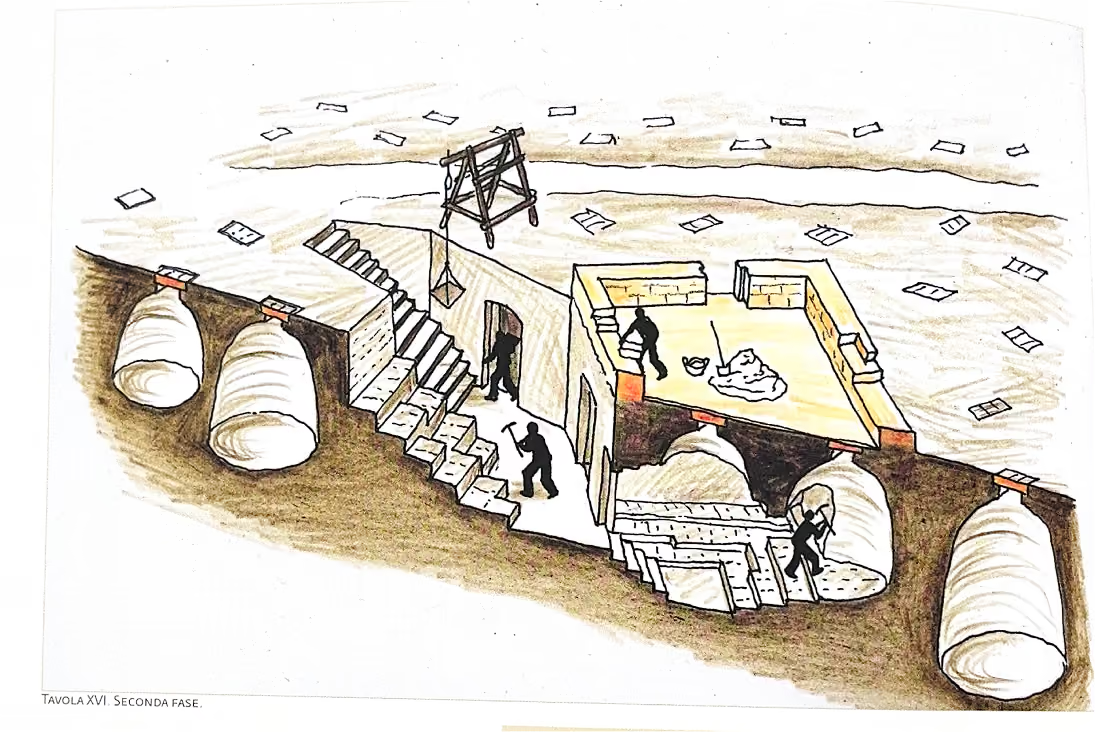
by Enzo Viti and Teresa Lupo
FOVEA is not just archaeology or architecture: it is an experience of transition, a rite of descent and ascent that transforms perception. Like wheat sown in the darkness that is reborn as a golden ear, those who enter FOVEA emerge back to the surface enriched by the knowledge of what lies beneath, carrying within them the echo of an ancient wisdom that continues to resonate.
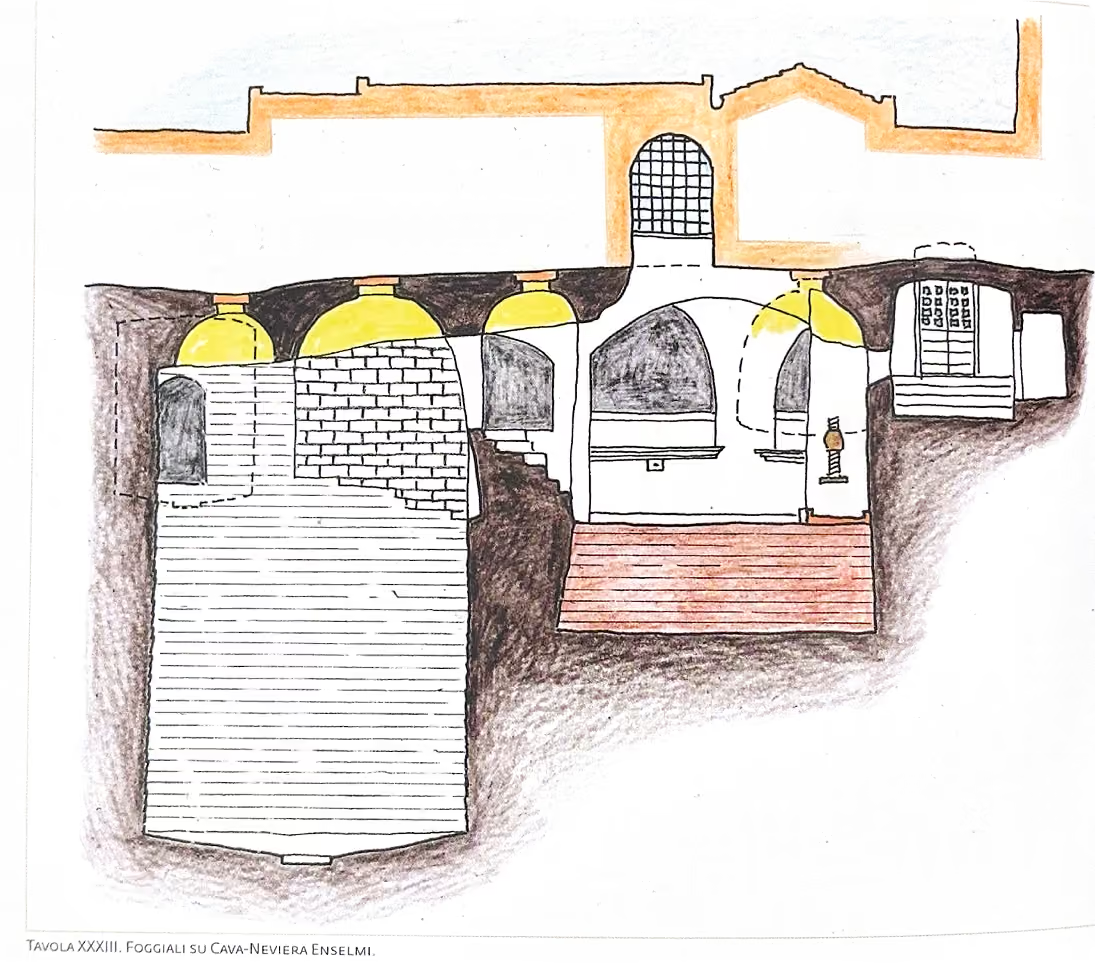
by Enzo Viti and Teresa Lupo

Take this piece of history with you.
The next one is waiting for you!