La Neviera
On the Threshold of Imagination

Before the widespread adoption of household refrigerators, which took place between the 1930s and 1950s, ice was a precious resource—derived exclusively from natural sources—around which an economy far from being secondary revolved.
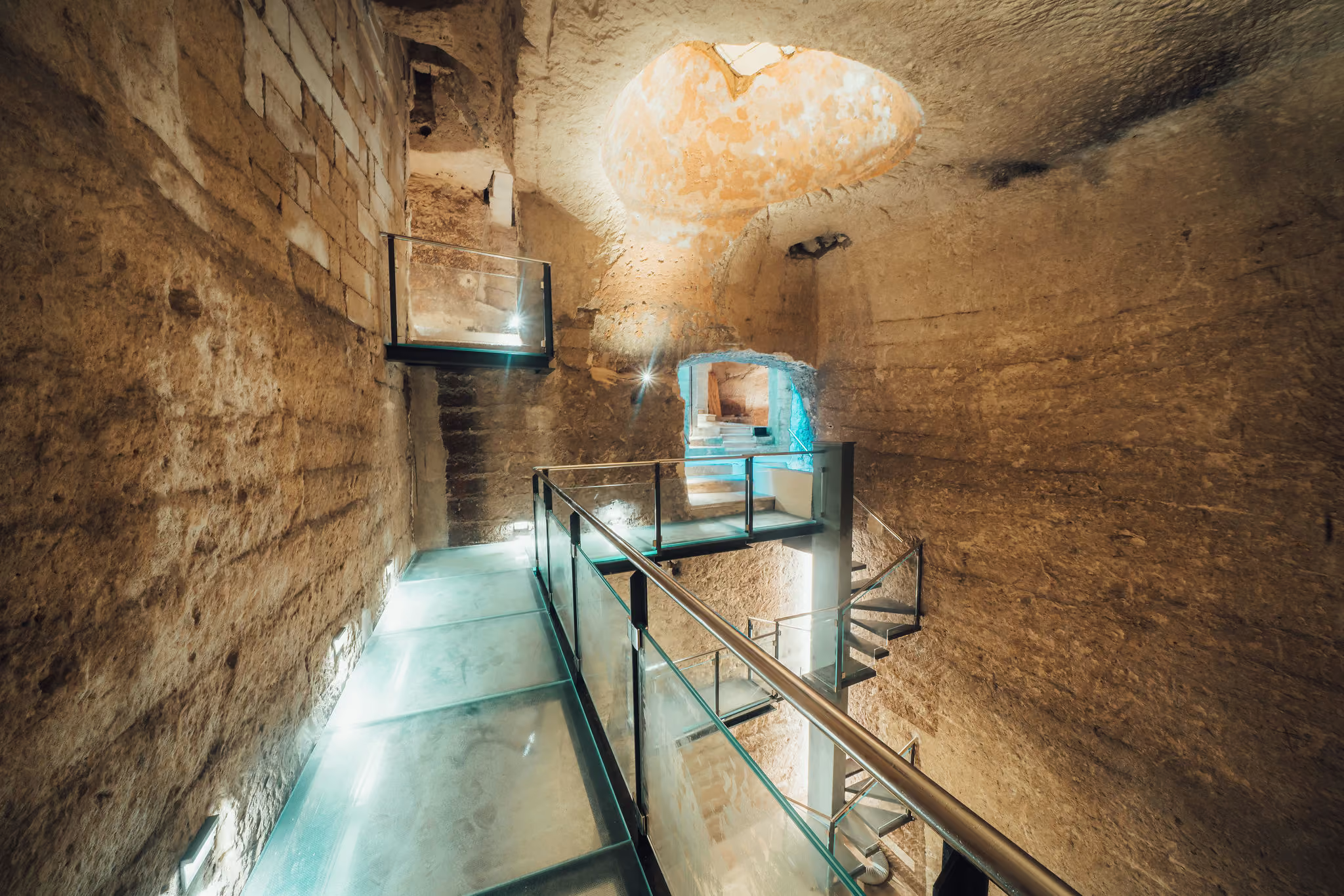
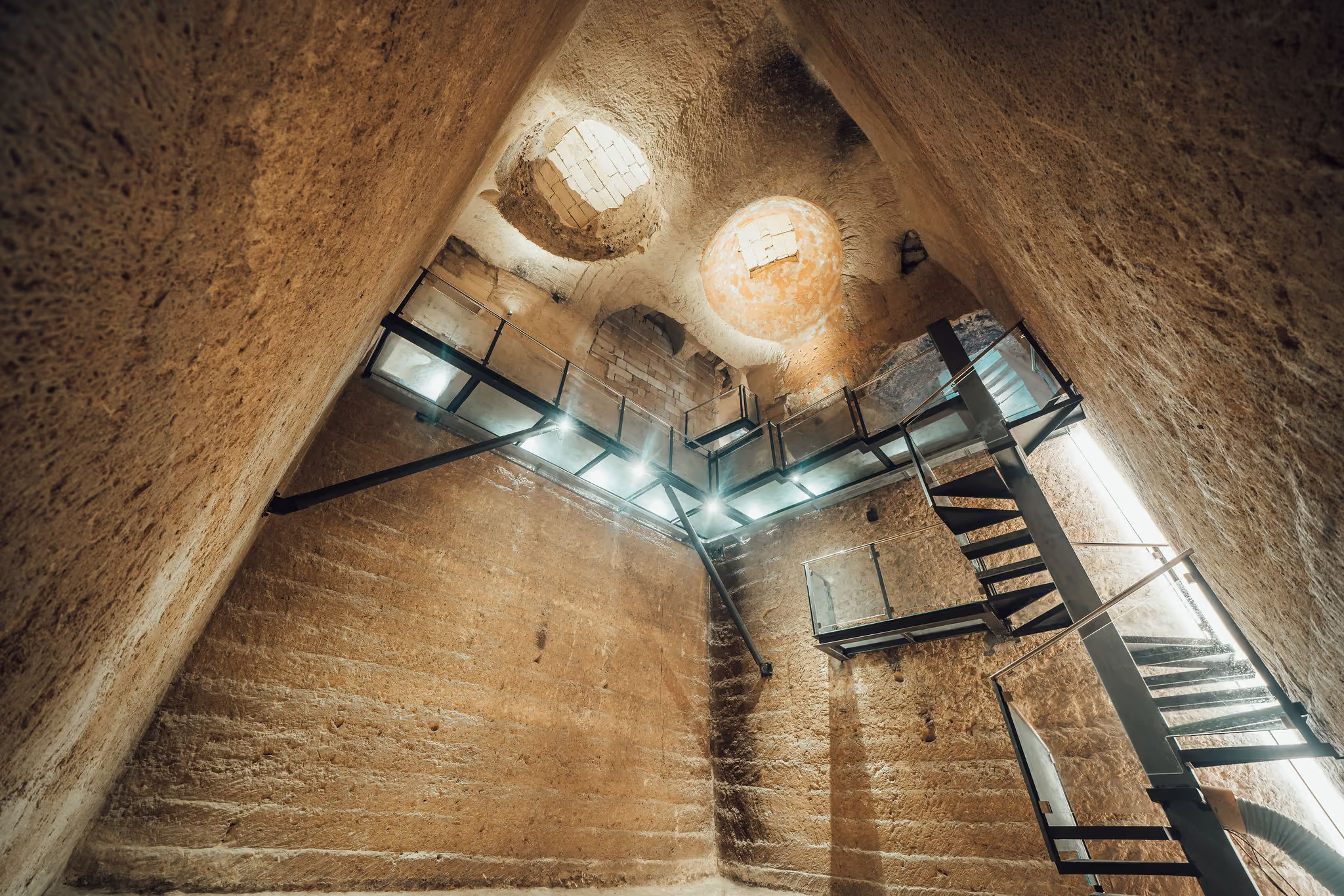
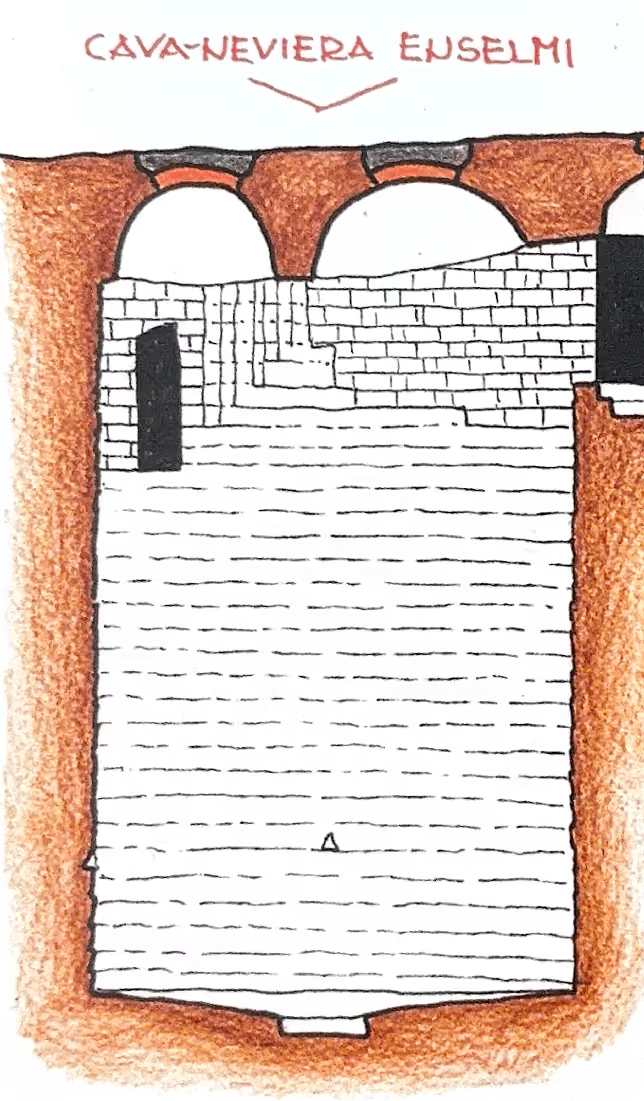
The ice pits were the structures used for ice production: veritable square-based chasms, carved into the calcarenite rock of the Murge, capable of reaching depths of 10–15 meters.
by Enzo Viti and Teresa Lupo
Inside them, snow was collected and compressed in successive layers, separated by straw—an excellent thermal insulator—until it turned into ice.
This process was made possible by the extraordinary thermal properties of calcarenite, which is capable of maintaining constant temperatures over time.
Carved as parallelepipeds into the ground, these snow cellars stand today as a silent testament to ancient knowledge, in which architecture, nature, and human ingenuity merged in perfect symbiosis.
by Enzo Viti and Teresa Lupo
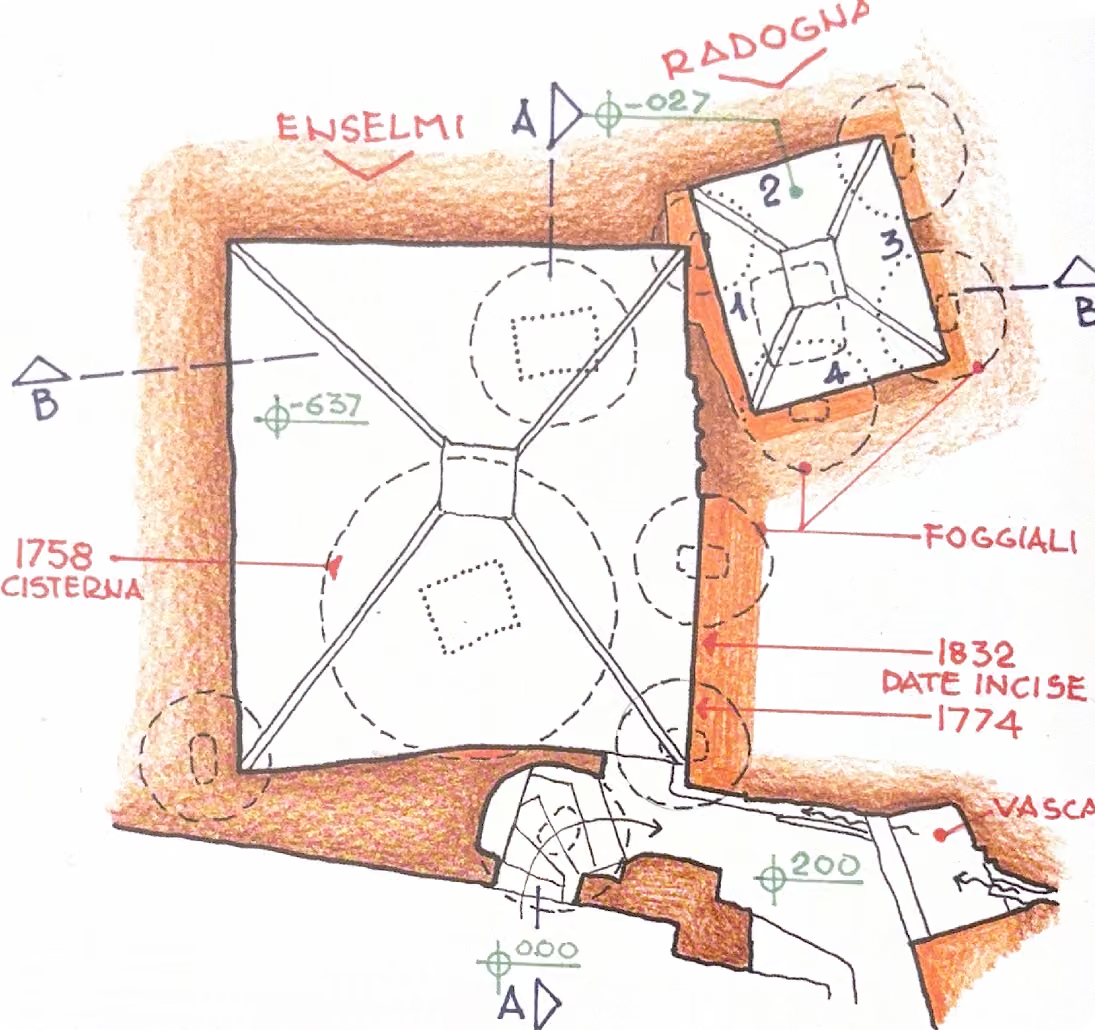
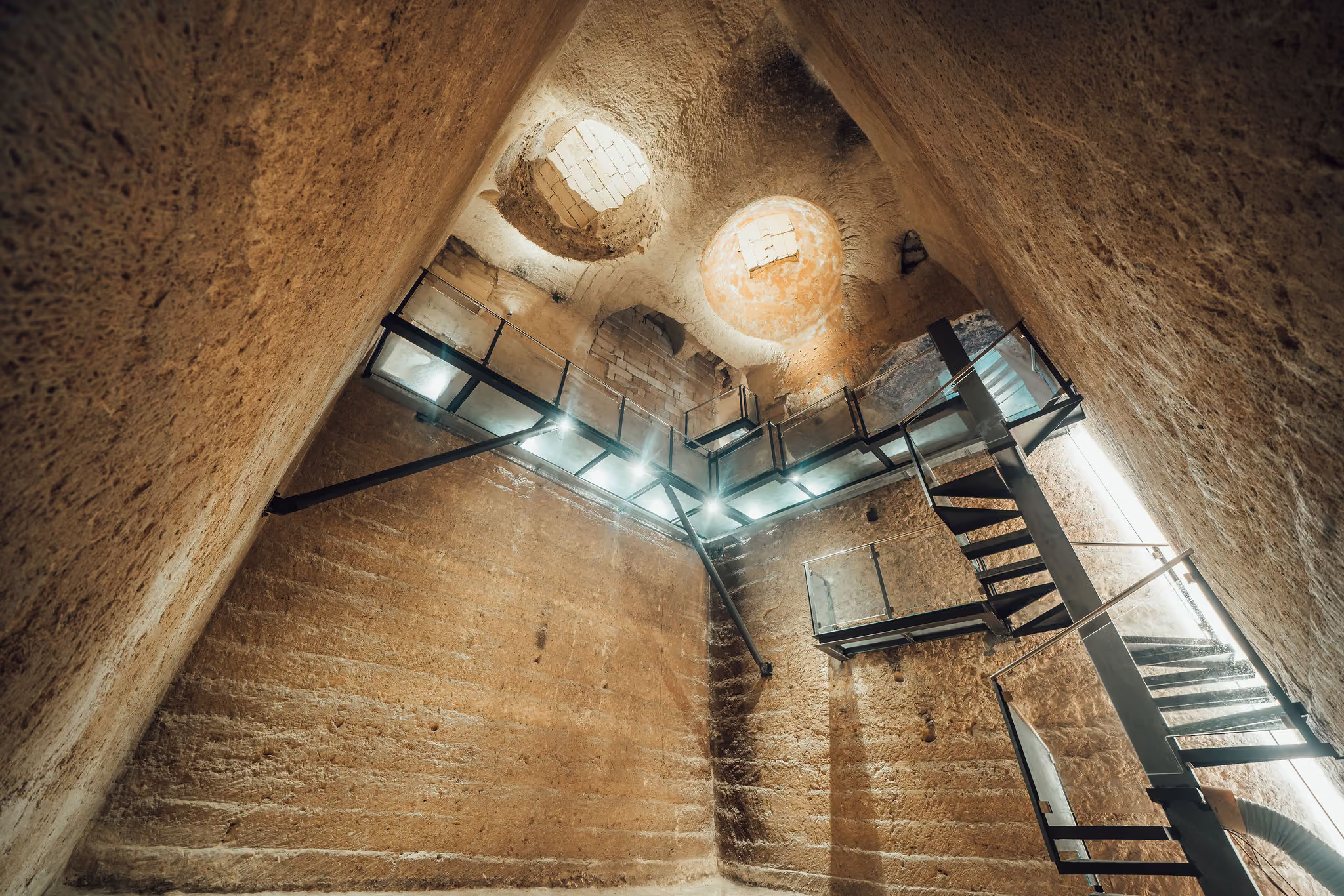
As you read this text, you are looking at the two icehouses in FOVEA, which are quite different in size and were likely intended for different uses. The smaller one belonged to the Radogna family and was most likely used to meet domestic needs. You are, however, standing above the much larger icehouse, owned by the noble Enselmi family: a difference that suggests production tailored to a high social class and, perhaps, a broader commercial enterprise.
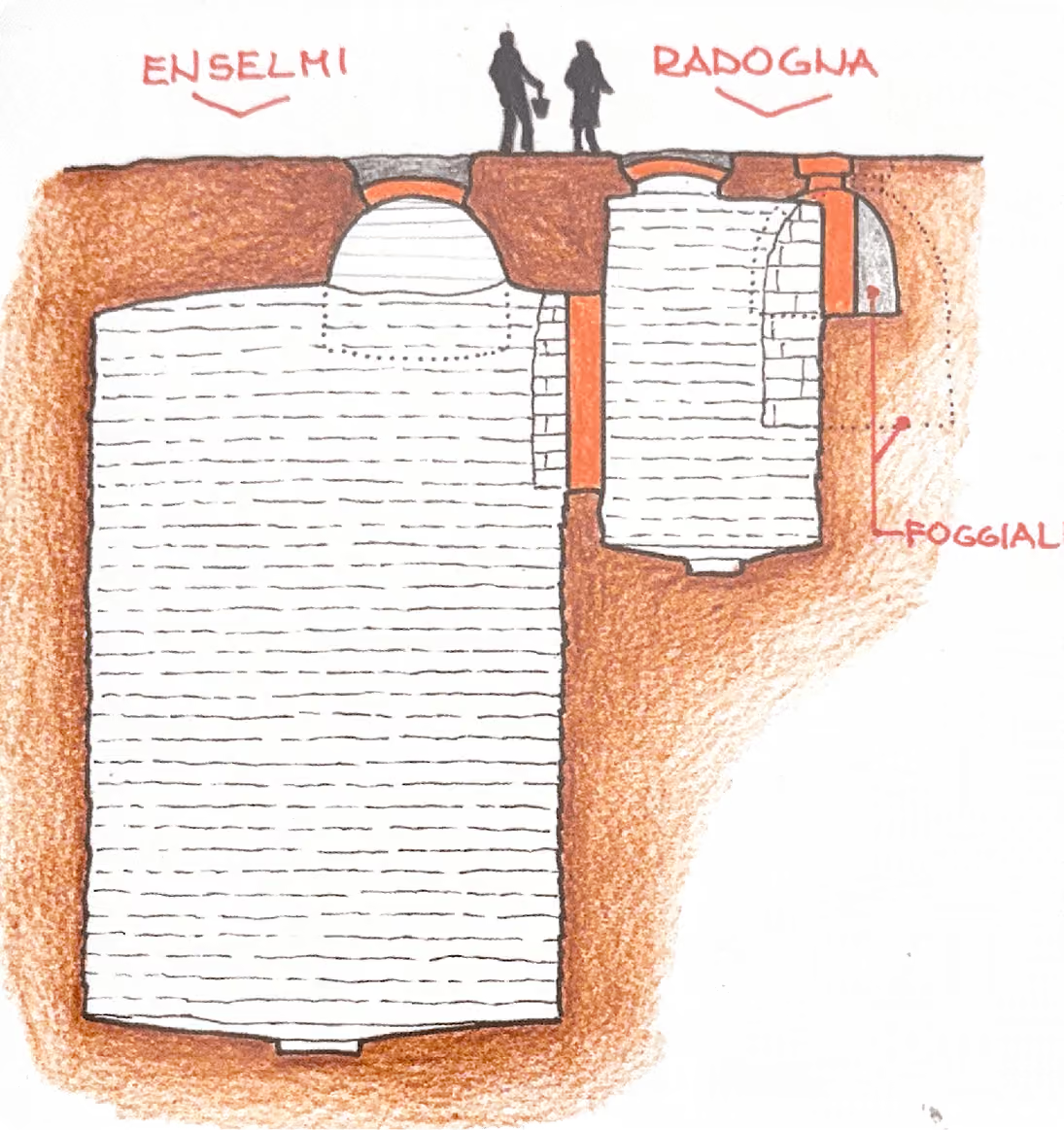
by Enzo Viti and Teresa Lupo
The ice house is not just a historical artifact: it is also the heart of an artistic-architectural installation that blends ancient heritage with contemporary expression.
The structure that houses it was designed by Matera-based architect Renato Lamacchia, creator of iconic projects for the city’s cultural landscape, such as Casa Cava, the Gervasio Auditorium, and the Provincial Library.
A work firmly anchored within the millennia-old walls of FOVEA by the masterful craftsmanship of master blacksmith Graziano Grippa, transformed into permanent architecture.
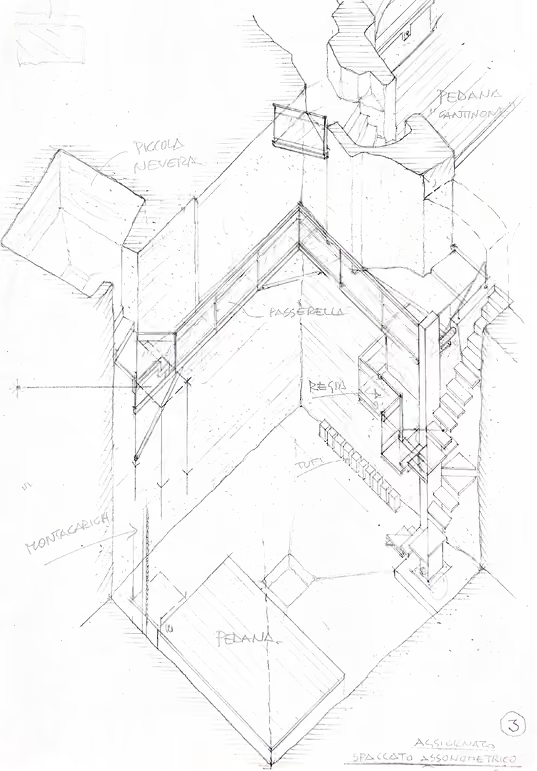
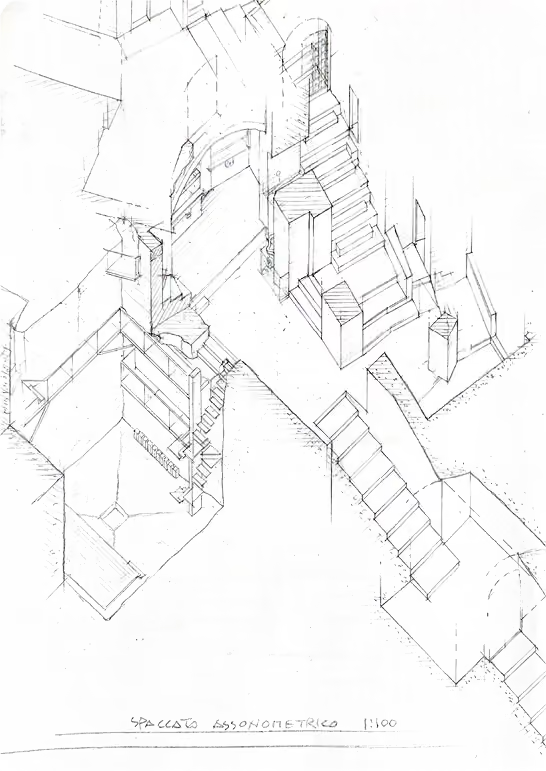
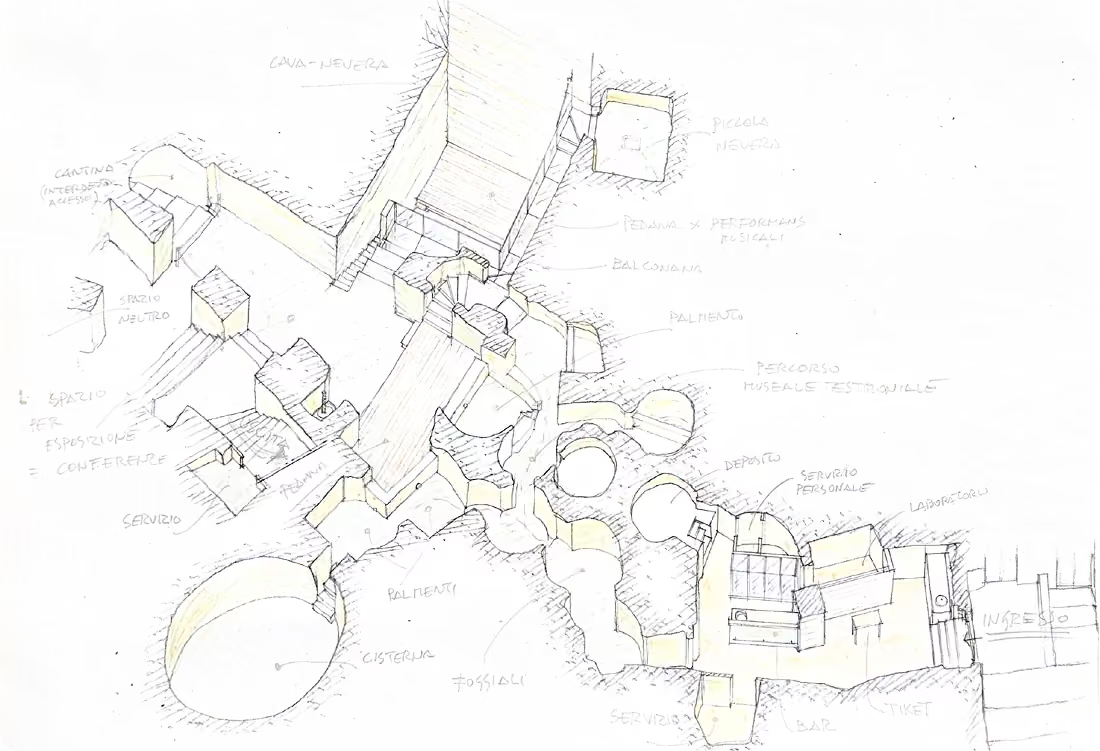
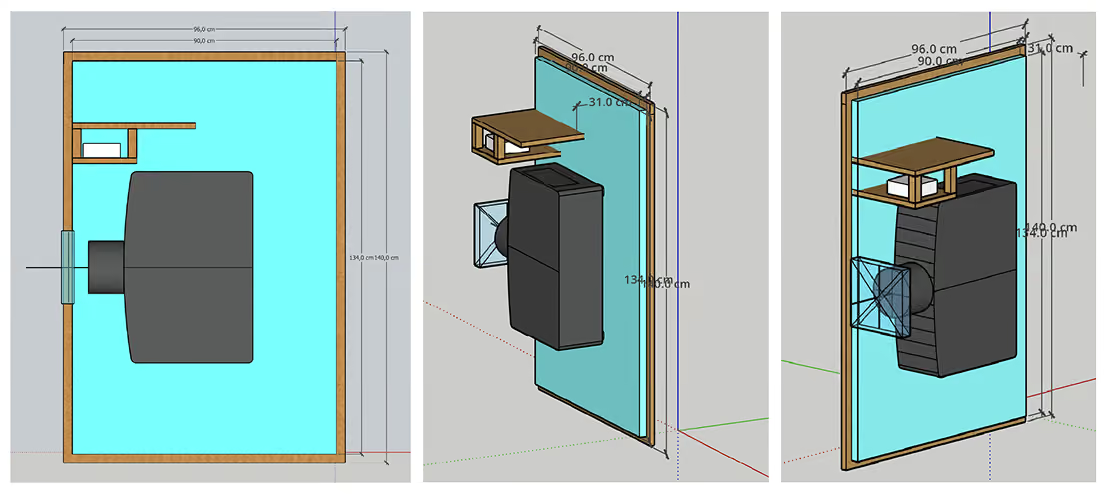
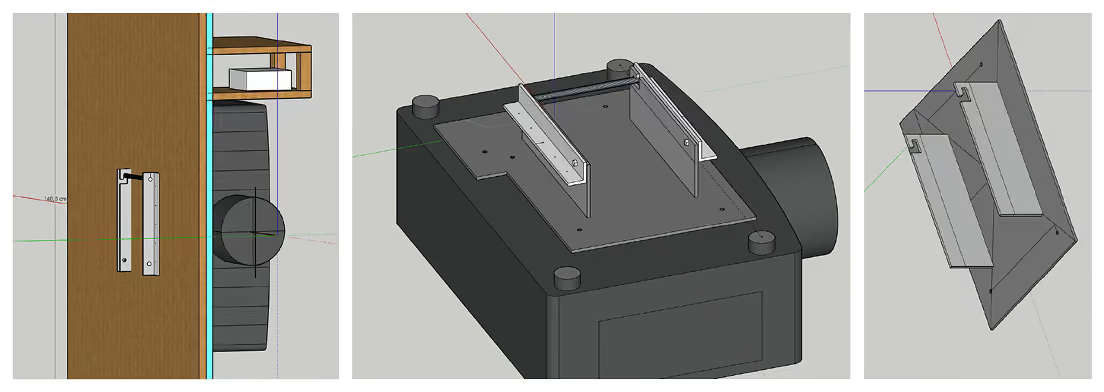
The collaboration between FOVEA and international visual artist Federico Nitti has given rise to a technology hub: a box crafted with meticulous attention to detail, designed to house the management systems for the entire facility.
From this core, an 11,000-lumen projector emits light that, through video mapping projected onto the wall in front of you, transforms the ice house into a window onto the world: a visual portal connecting a place once used for storing ice with the contemporary imagination. You stand on the threshold of the imagination of FOVEA’s performing artists.

Take this piece of history with you.
The next one is waiting for you!