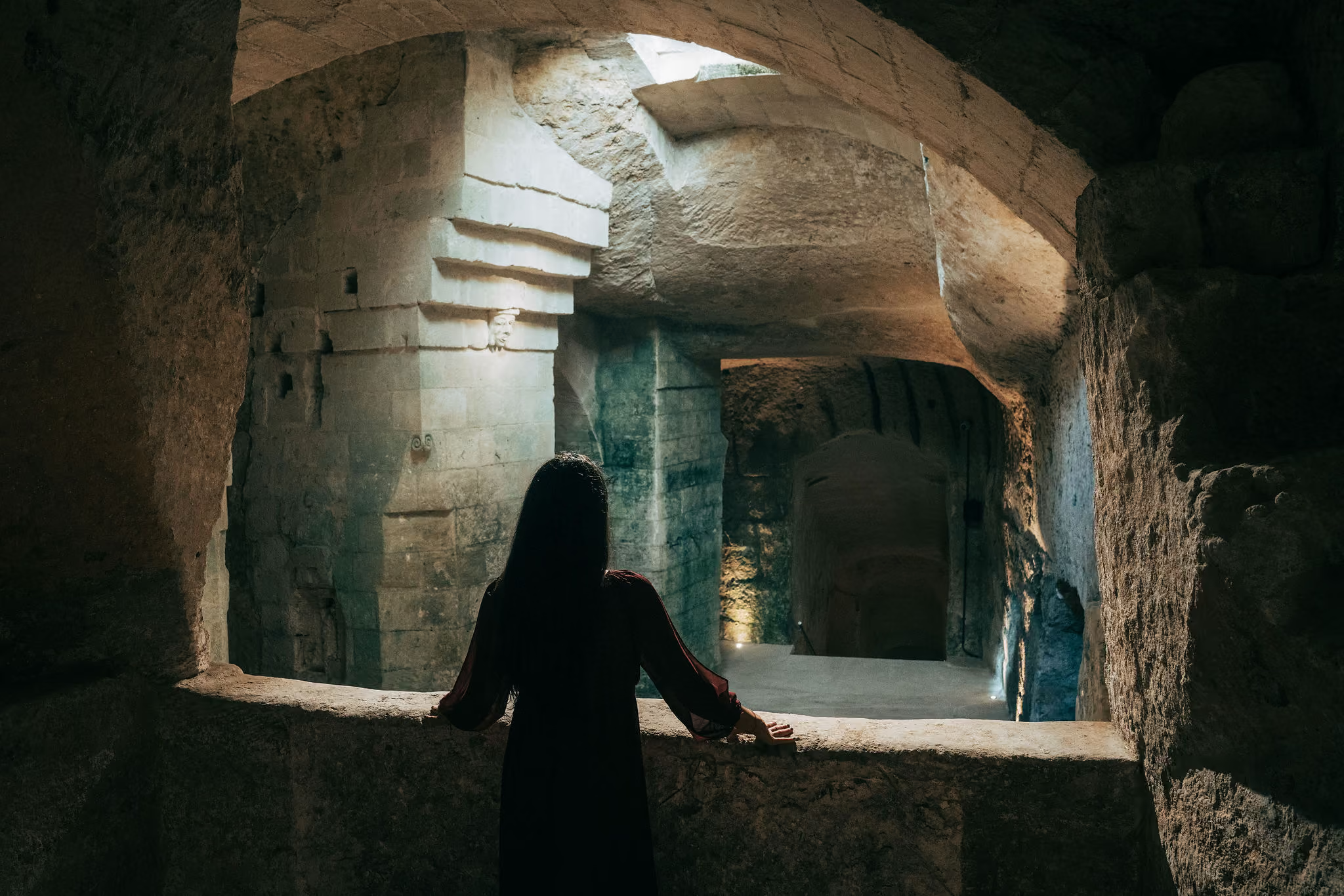
1710 - The Winery

The roots of viticulture in this region stretch back to antiquity. Strabo, in the 1st century B.C., tells us of the Oenotrians who settled in the hinterland of Basilicata, a people whose very identity was intertwined with viticulture. “Oenotria” derives from the Greek *oinotros*: the stake used to support the vines. Aristotle adds that it was Italo, king of the Oenotrians, who transformed this nomadic people into a settled agricultural civilization—a distant echo, perhaps, of the very name of the peninsula.
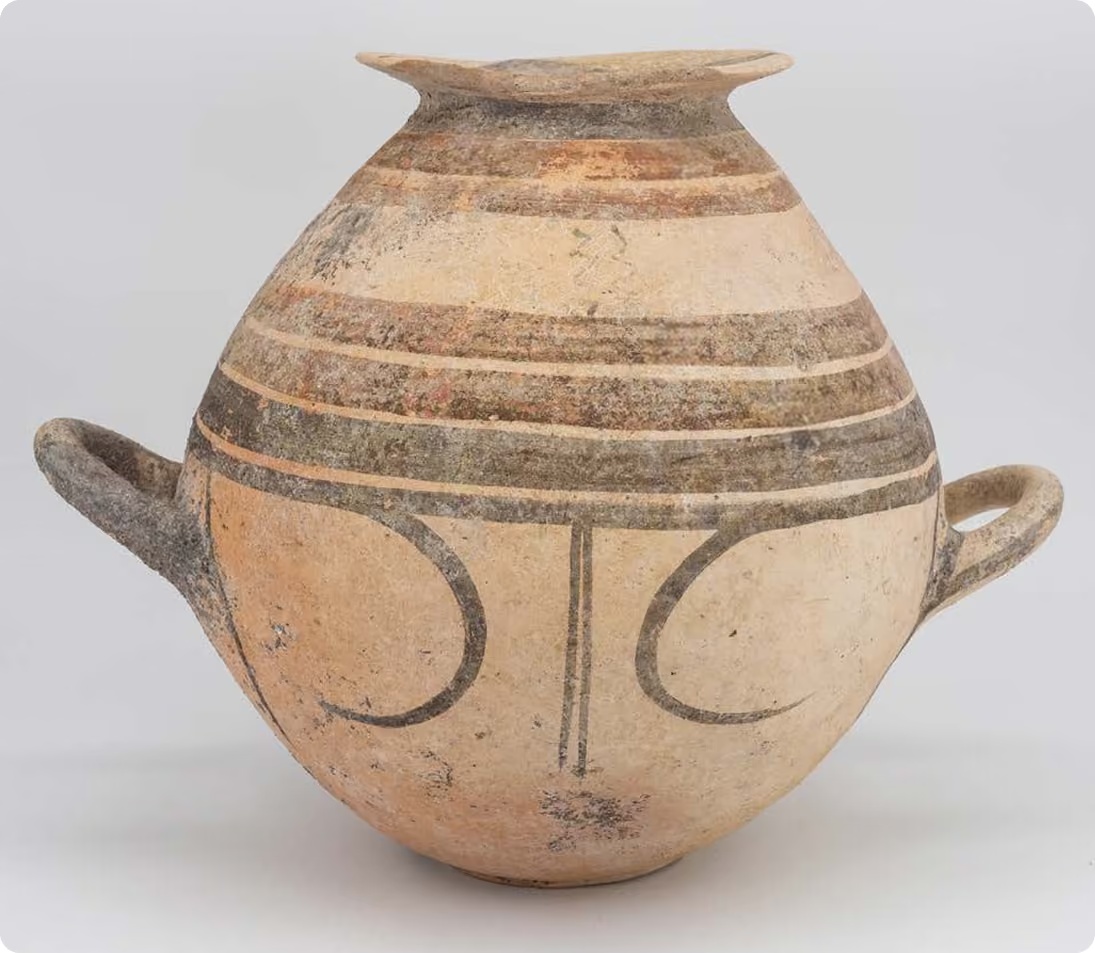
Domenico Ridola, Matera
A millennia-old tradition that has left concrete and measurable traces in Matera: in the mid-19th century, there were more than 450 cellars dug entirely by hand into the calcarenite; the largest were in the Sasso Barisano, where FOVEA is located, and the most numerous were in the Casalnuovo neighborhood.
It was the mastri zuccatori—the underground workers—who defined this subterranean heritage using technical terminology and assessed its value, tasked with conducting a full-scale census of the cellars. Each appraisal—that is, the estimation of value—was based on the size of the rooms, the quality of the cocciopesto, and the presence of cisterns and wine presses.
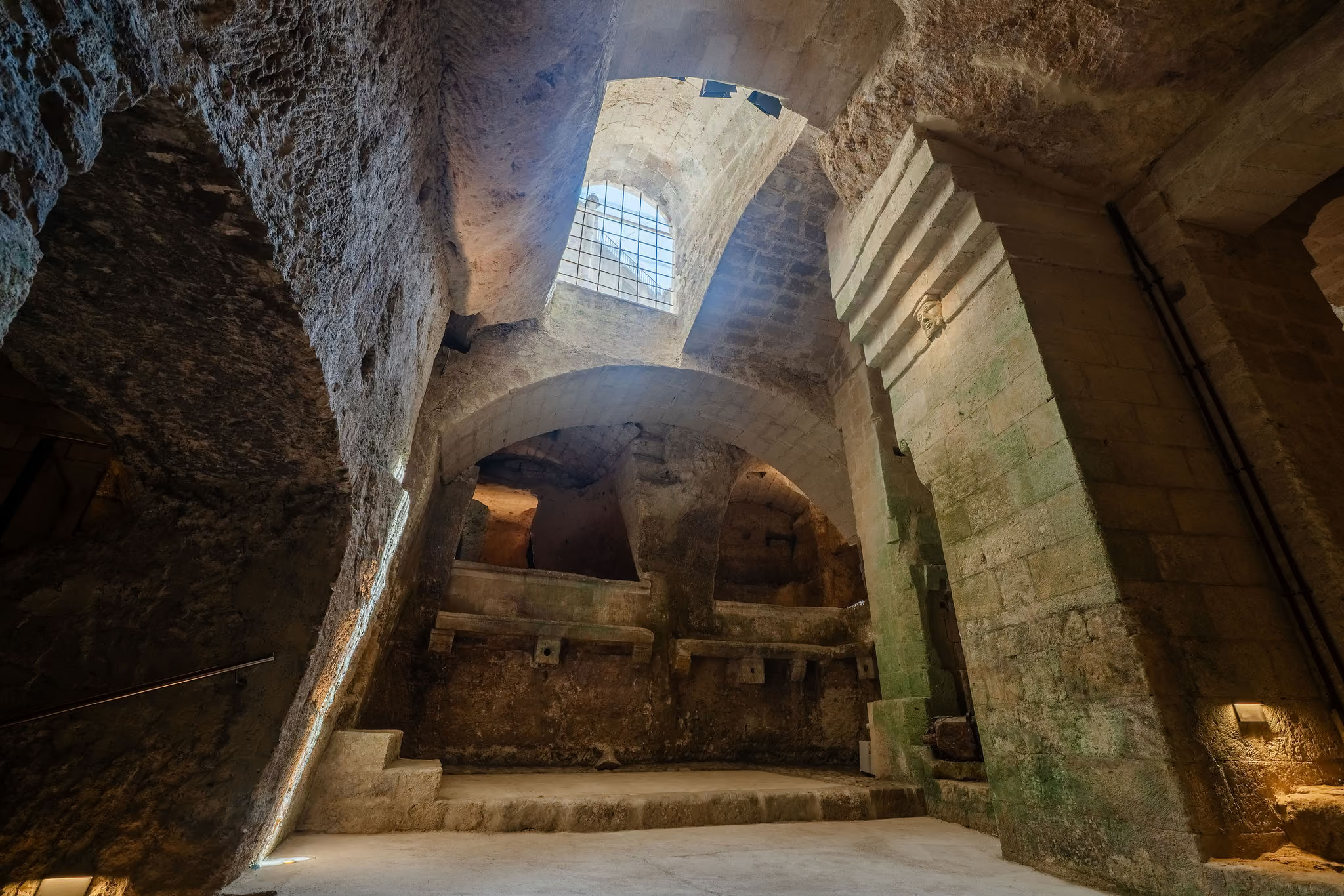
As you read, you are on the first level, the largest area: the nave, the heart of production in this winery dating back to 1710.
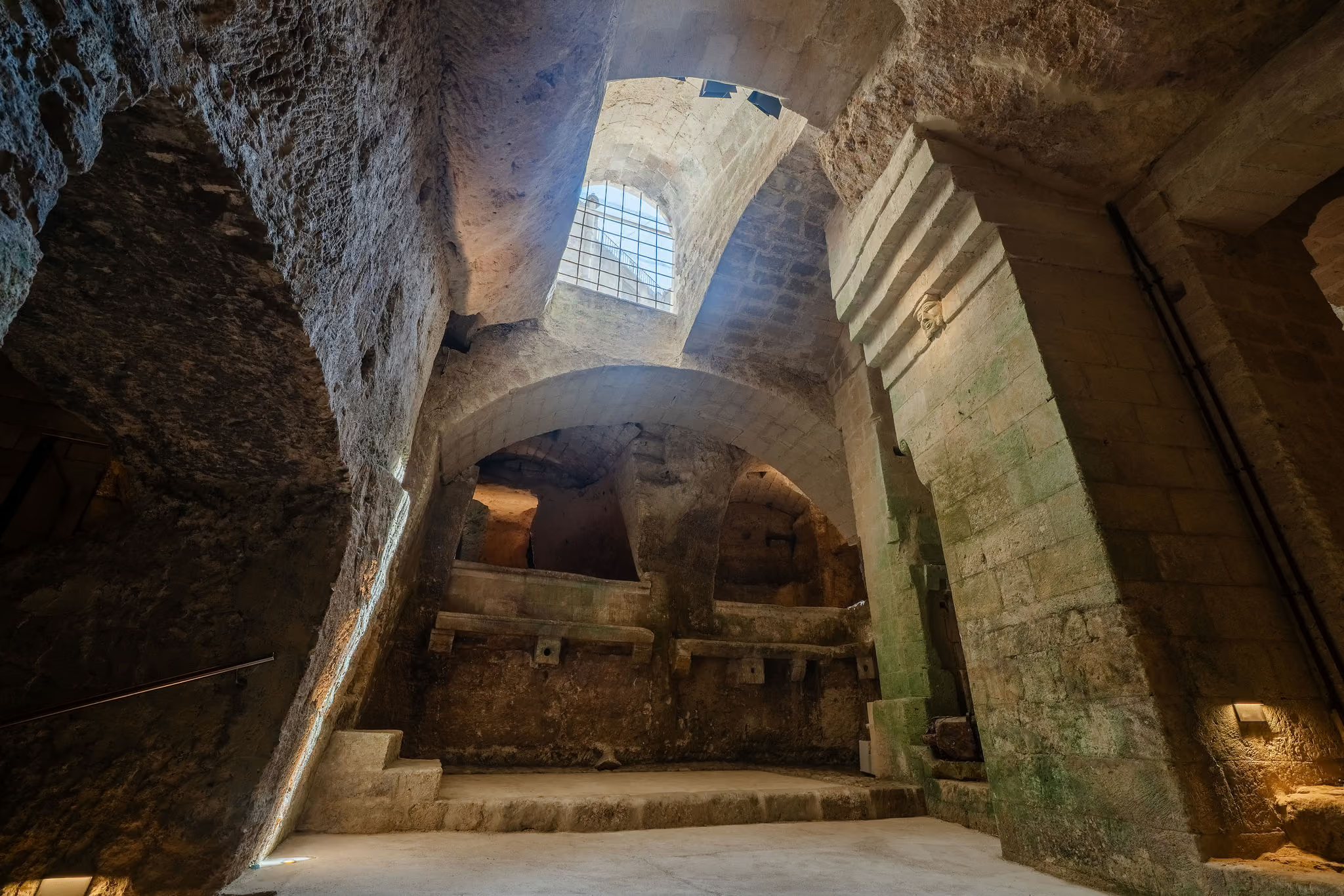
Inside the ship, amid what time has worn away, one witness remains: the “madrevite,” the female part of the wine press with its oak core. This wooden component held all the mechanical force applied to the grape must, which was crushed with bare feet in the wine-pressing troughs before being transformed into wine.
Watching over the entire process is a large apotropaic mask: from the Ancient Greek ἀποτρόπαιος, apotropaios, derived from apotrépein, “to ward off”—“he who wards off.”
A mask sticking out its tongue at misfortune, guardian of a space that was not only productive but deeply ritualistic.
Ancient beliefs that still surface today, intact, in the mysterious history of these places.
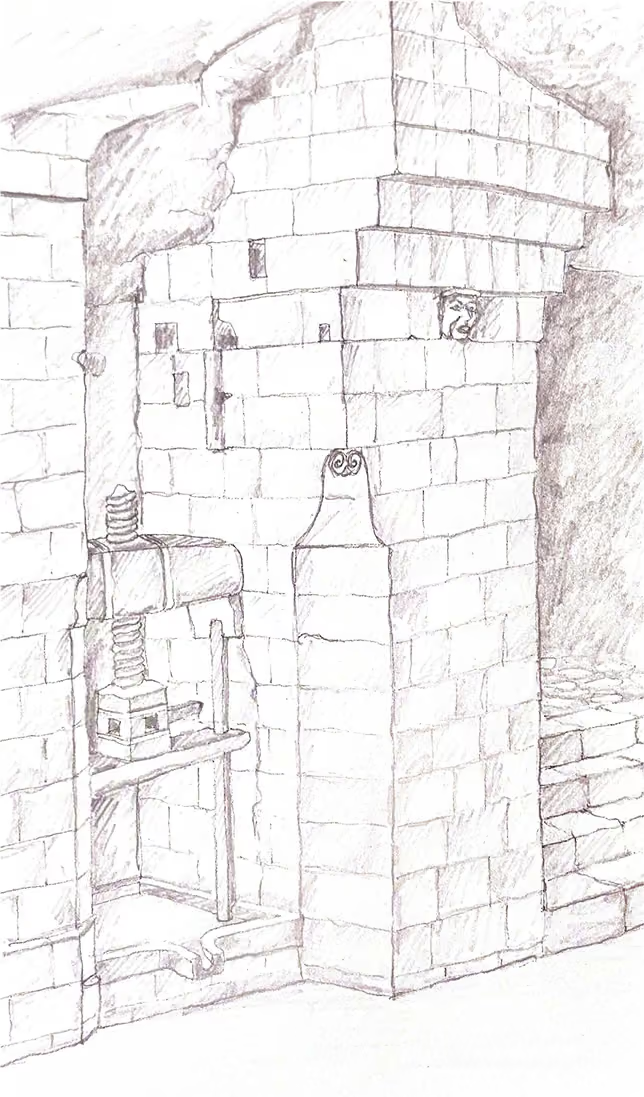
by Enzo Viti and Teresa Lupo
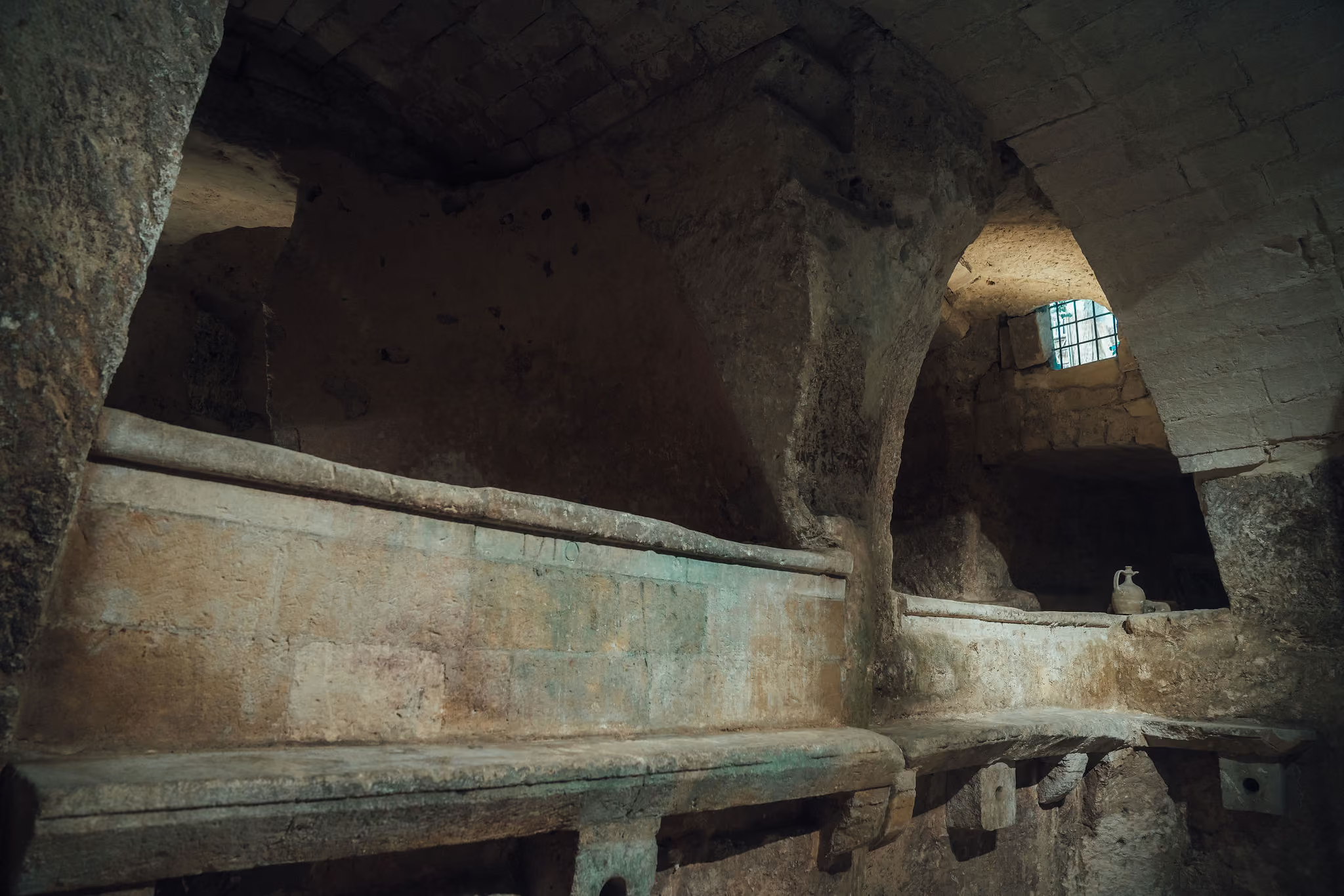
In front of you are the three openings of the wine presses where grapes were crushed with bare feet in a ritual as old as the earth itself: inside, you’ll see the clay lining—the cocciopesto lining—which has survived intact to this day.
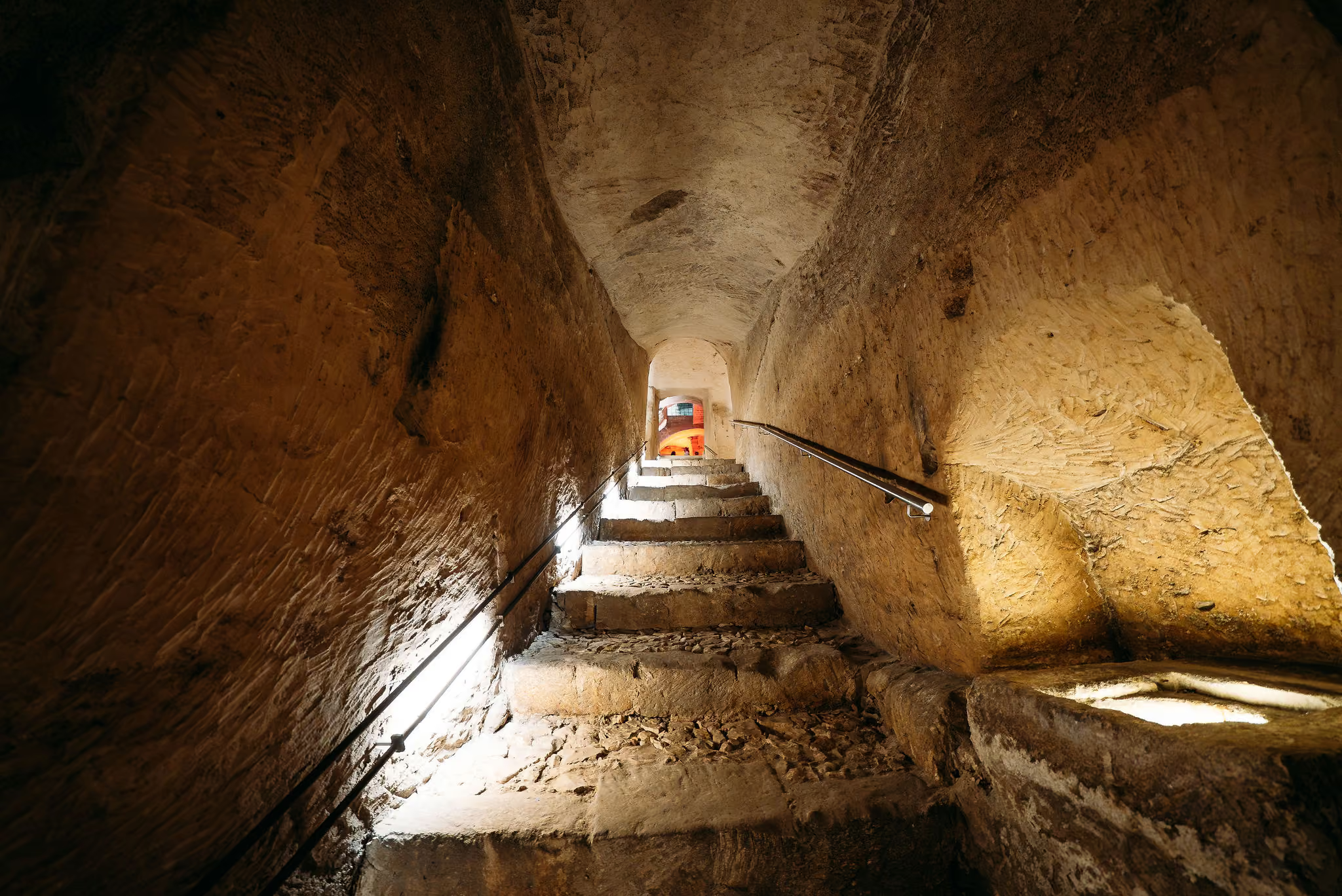
Behind you, the trumpet: the staircase leading down to the cellars or underground chambers—the deepest chambers, chosen for their natural temperature stability, where the wine rested and matured slowly in large barrels, sheltered from the elements and light.
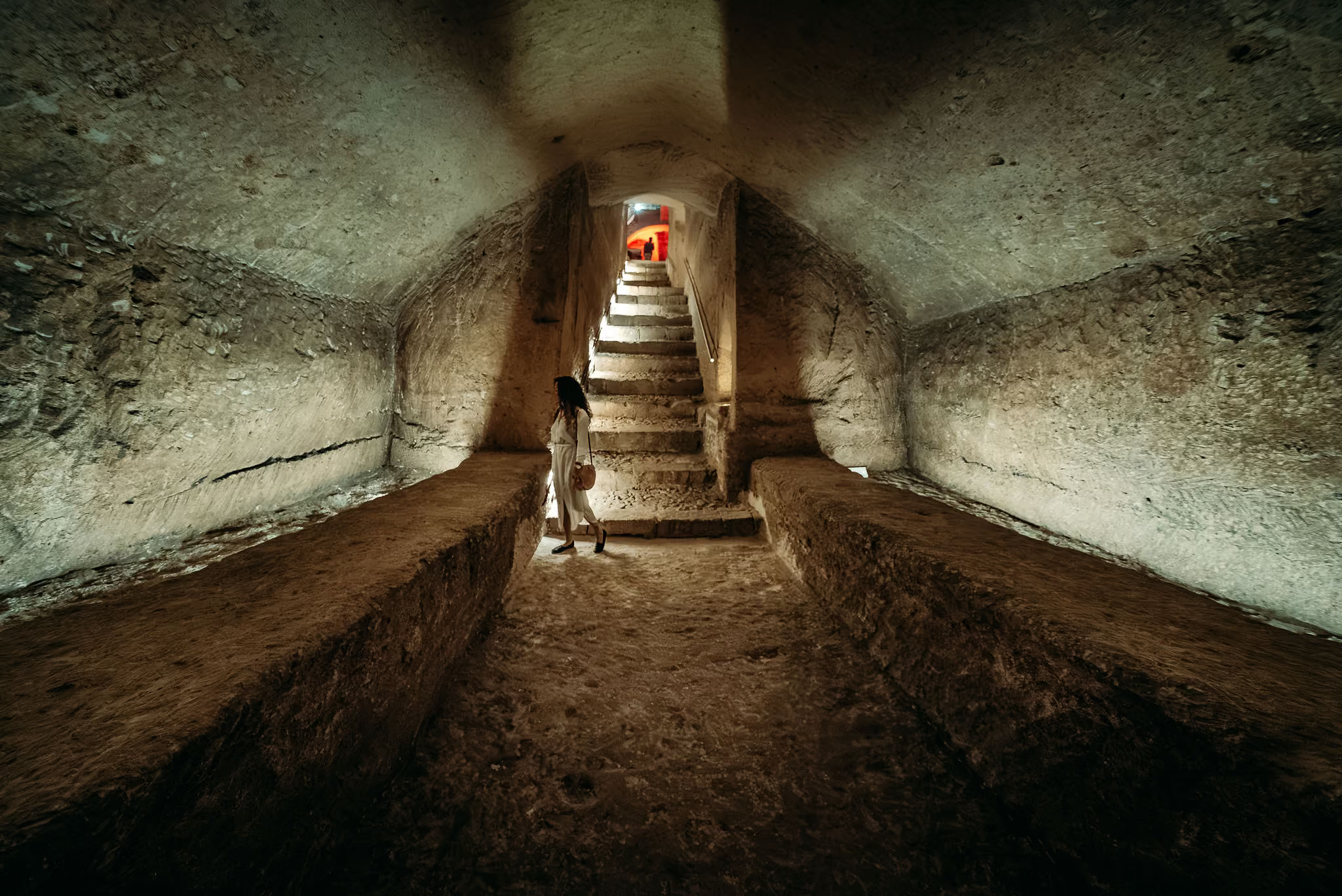
The tunnel you are walking through is one of the most impressive in the Sasso Barisano. The marks that the rock has preserved intact to this day bear witness to this.
Three wine presses finished with a splendid cocciopesto, which has been preserved in extraordinary condition over the centuries. Next to each one are the grape chutes: openings directly connected to the courtyard above, which made the grape harvest smooth and easy, revealing an organizational expertise that was anything but improvised.
Rounding out the picture is a water system of striking grandeur: in the labyrinthine passages of FOVEA, you’ll come across three large cisterns carved into the rock. The two oldest, with their distinctive teardrop shape, could each hold about 75,000 liters of water. The third, with a square base and resembling a small cistern, held up to 90,000 liters. A total water supply of 240,000 liters, quietly preserved in the underground chambers of FOVEA alongside quarries, snow pits, and water channels.
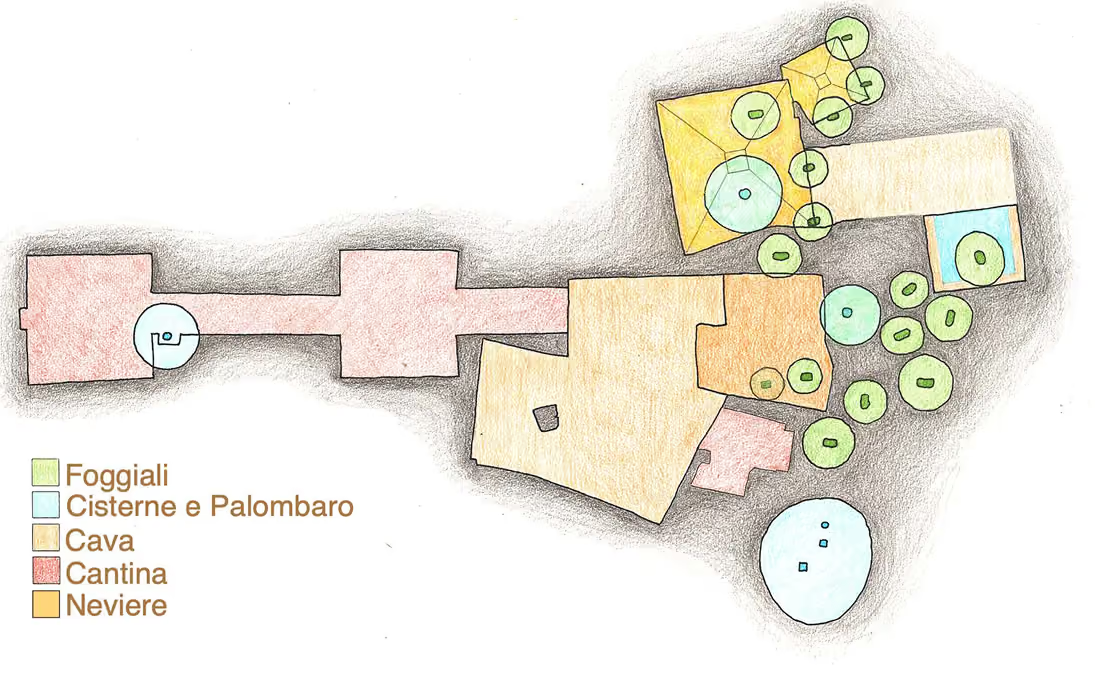
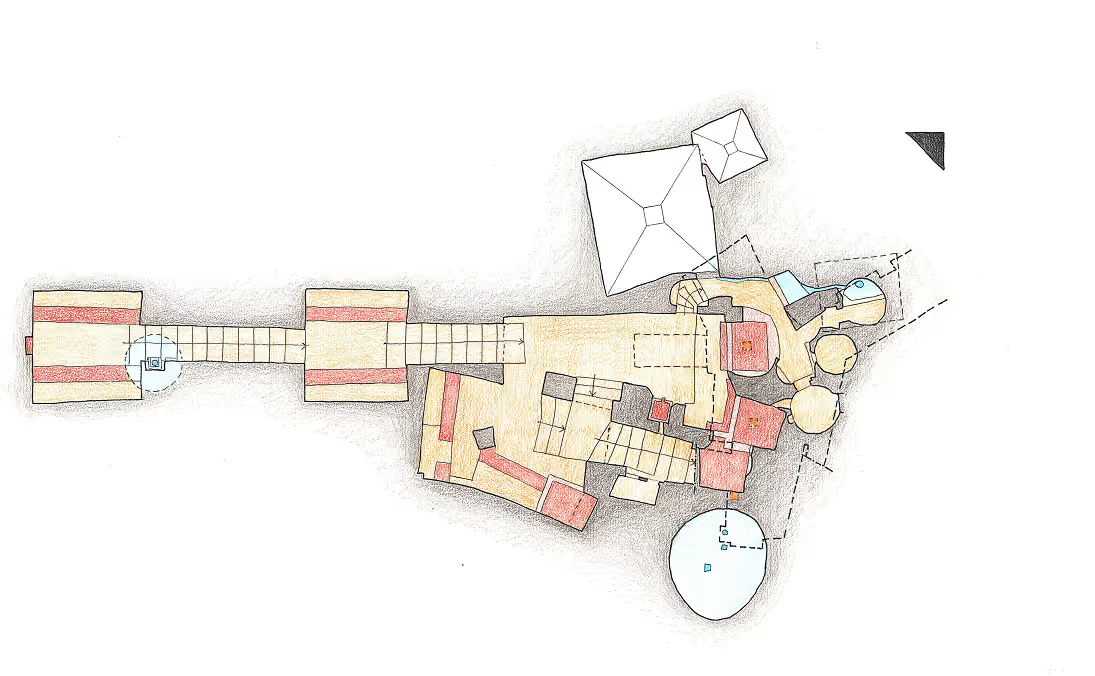
Today, this ship with its evocative name is ready to weigh anchor and take its guests to a world of imagination: the setting of FOVEA, a place where art fills the ancient vats and music flows from the mouths of the wine presses.

Take this piece of history with you.
The next one is waiting for you!